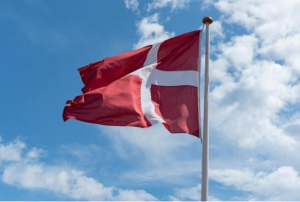
What first comes to mind when you hear Denmark? Named the happiest country, Denmark is also known as the cleanest country in the world.
This pollution-free country holds the title as the most environmentally friendly country too! As reported by Borgen Project, here are 5 facts about Denmark that you should know.
1. Drinking with Tap Water
If you visit this Scandinavian country, drinking water from the tap is a common thing for local people. This is because the water is clean and even considered cleaner than bottled water.
Of course, the use of drinking water from the tap can save you more money on your daily needs. All hygiene needs in the household can be addressed by using water at home.
2. Waste Recycling
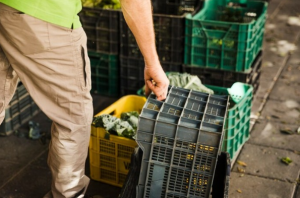
One of the reasons why Denmark can be the cleanest country in the world is certainly due to its ability to maximize waste management. There is not a single piece of garbage left so that waste can be recycled into other alternative energy sources such as solar energy and biogas.
In this case, Denmark is able to generate electricity or other biogas sources only from recycling waste. Even this waste processing is supported transparently by the public so that people can visit to see the process of waste being recycled.
3. Low Poverty Rate
Denmark is a country with a fairly low poverty rate of only around 0.20 percent. This poverty rate can be directly linked to sanitation in the country.
Keep in mind, low-income families living in areas with unclean water may not be able to afford bottled water. But Denmark is taking steps to ensure its citizens have access to clean water and sanitation.
4. Principled To Prevent Rather Than Treat

An interesting fact from Denmark, many people from this country have the principle of living with a prevention model. In order to protect its citizens from toxic substance contamination, the local government implements policies based on prevention, not treatment.
The main goal is to prevent contamination by reducing air pollutant emissions and water supply pollution. As a result, people with low incomes are less likely to suffer the negative effects of pollution or waste, giving them the opportunity to climb the socio-economic ladder.
Well, those are some facts about Denmark, which is called the world’s cleanest country. What facts do you find most interesting about this country?


